
Small Rooms, Big Personality: Boutique Comfort Done Right
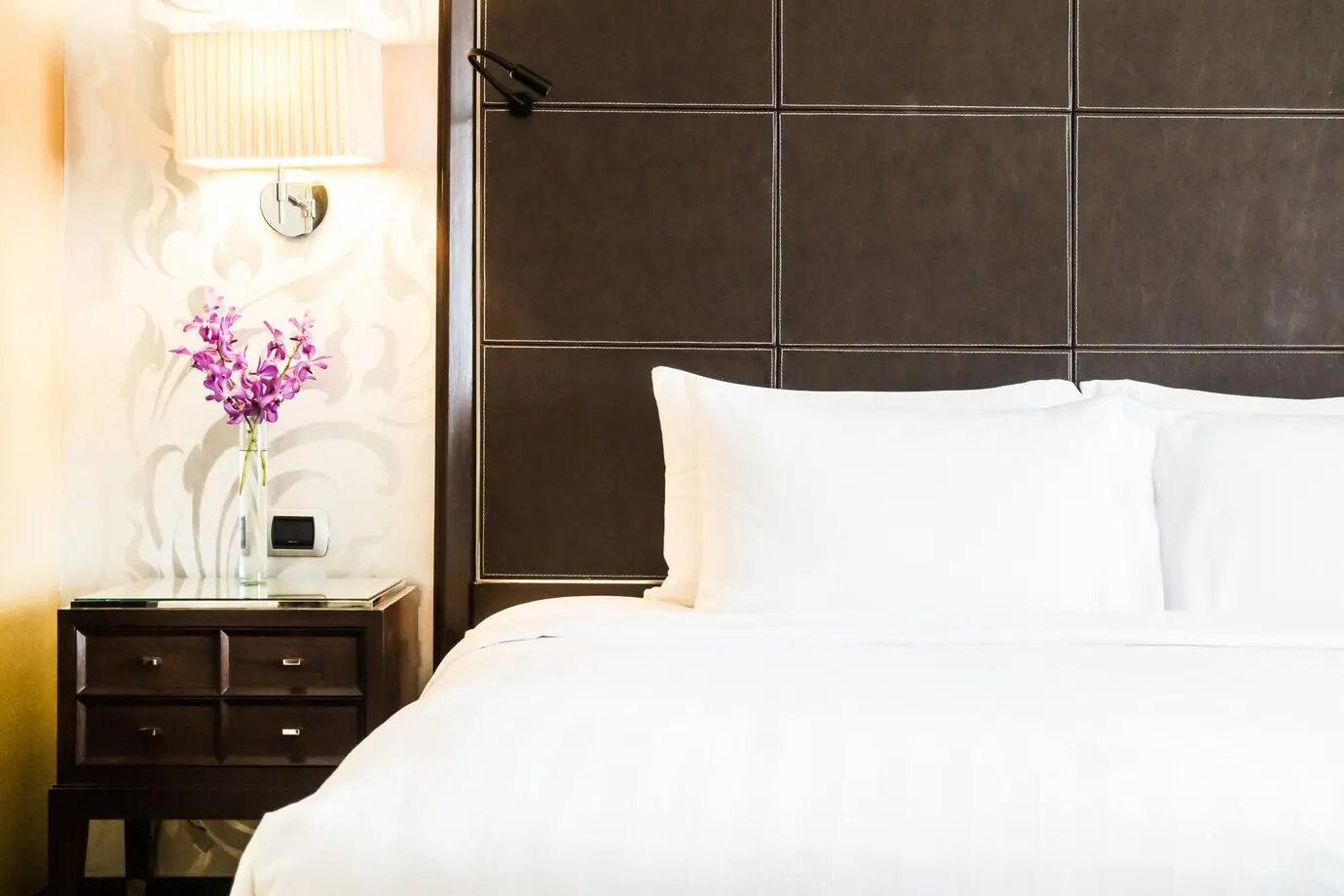
Today we dive into Boutique Hotel Design Principles for Small Spaces, exploring how considered sightlines, layered lighting, crafted joinery, and service choreography transform compact rooms into generous experiences. Drawing on field notes, guest stories, and designer insights, we share practical moves you can borrow for hospitality projects or even a studio apartment. Leave a comment with your favorite clever detail or a challenge you’re facing, and we’ll workshop solutions together in upcoming posts.
Seamless Flow and Micro-Zoning
Great stays begin with movement that feels inevitable. In compact hotels, micro-zones replace big rooms: a reading nook defined by light, a sleep area anchored by texture, a desk framed by a view. Raised plinths, rug islands, and ceiling cues guide the body without signage. Share how you map flow in small spaces, and we’ll feature reader sketches and real before-and-after diagrams to help others visualize circulation that delights rather than dictates.
Light, Color, and Texture That Expand Perception

Daylight Amplification Tactics
Maximize window real estate by keeping hardware slim and stack-backs tight. Use light shelves or high-gloss ceilings to push sun deeper, then tame it with woven shades. One coastal inn added a clerestory during renovation, and guests swore rooms magically grew despite unchanged dimensions.
Night Lighting: Scenes, Not Switches
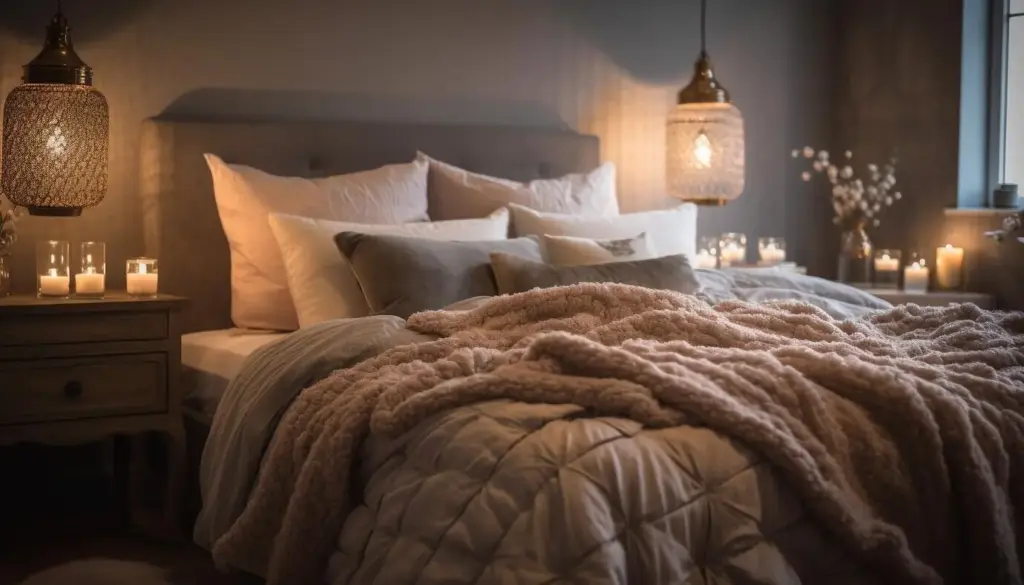
Create layers: cove for ambient, task at headboard and desk, accent washing art or textured plaster. Pre-program scenes—arrive, unwind, work—to eliminate switch-hunting. A Belfast property labeled one button “Soft Rain,” setting 2700K warmth and barely-there accent light, prompting nightly guest selfies and sincere bedtime gratitude.
Color Psychology for Calm and Character
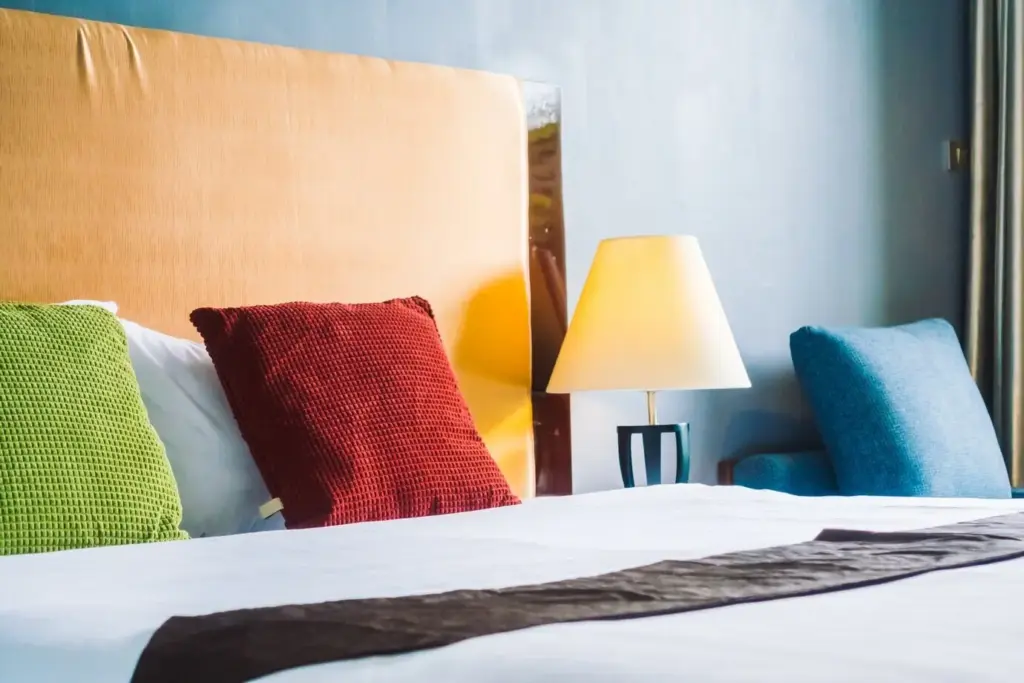
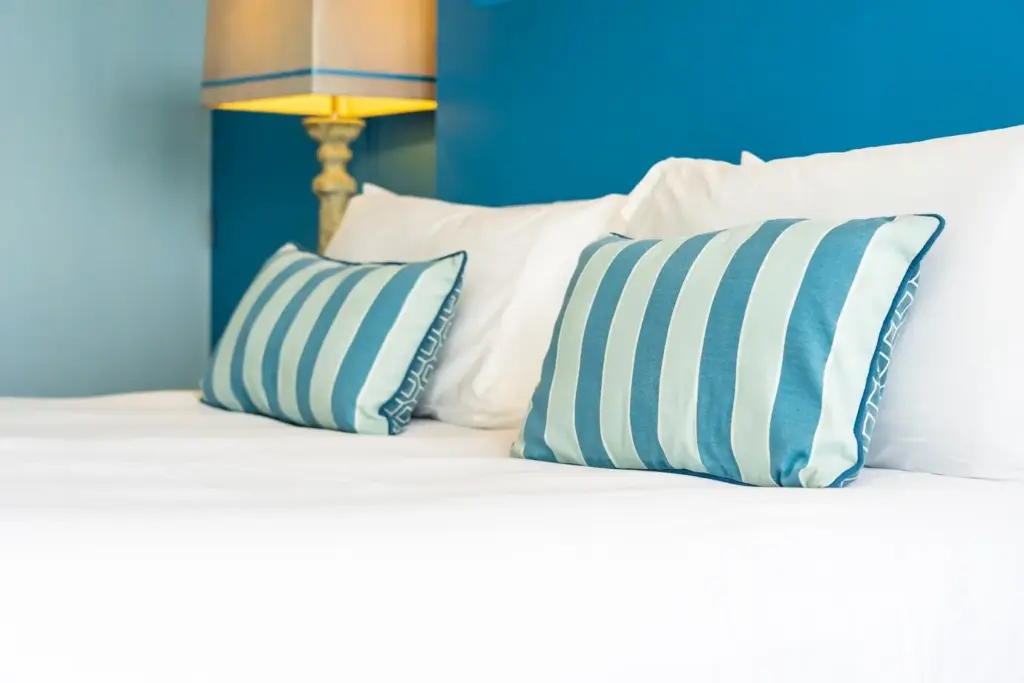
Colors behave differently in small volumes. Low-contrast palettes calm edges, while a concentrated hue on joinery creates depth through shadow. Test swatches at night and dawn before committing. Share a photo of a palette you love, and we’ll suggest trims, textiles, and lamps that harmonize.
Transformative Furniture and Tailored Joinery
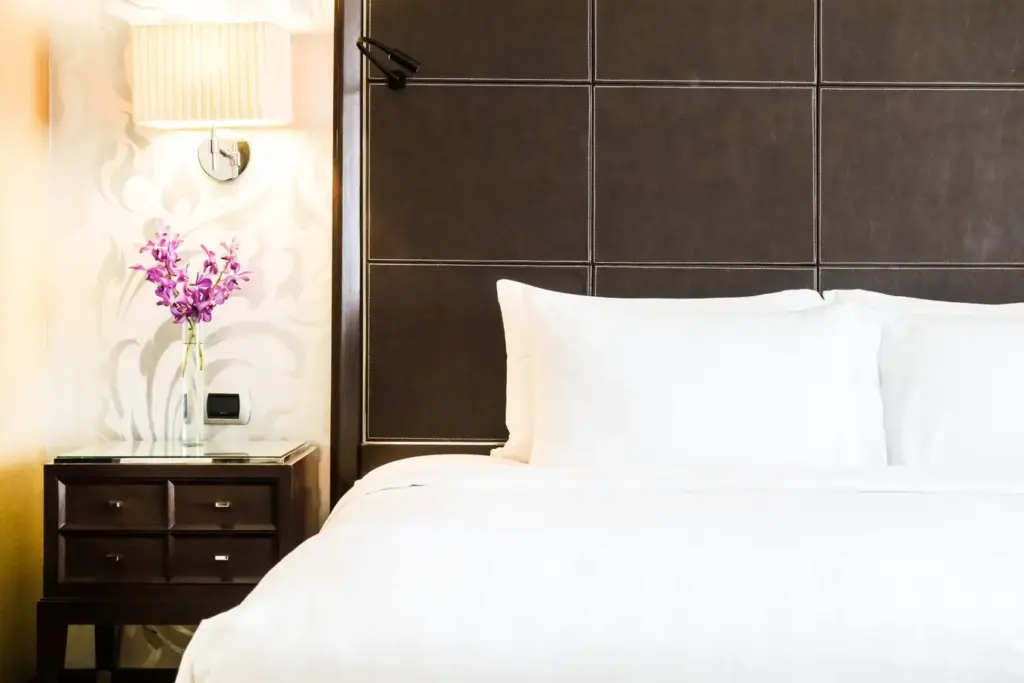
Furniture earns its keep by doing more with less, then vanishing. Wall beds reveal linen-panel headboards; banquettes hide luggage wells; consoles flip to laptop stations. Hardware matters as much as hinges—quiet, solid, satisfying. Guests remember the feeling of ease more than the mechanism that made it possible.
Pieces That Do Two Jobs Beautifully
Choose convertible pieces that lead with beauty, not gimmicks. A table that swivels from tea to typing height, an ottoman that opens to blanket storage, a headboard with reading niches. In Paris, one room’s drop-leaf desk hosted breakfast, laptop, and card game without moving a chair.
Storage That Vanishes Into Architecture
Integrate storage so it disappears: full-height wardrobes flush with walls, toe-kick drawers for shoes, under-banquette compartments for bulky items. Add charging cubbies by the bed and a slim luggage bench. Guests feel lighter when everything has a place, including tomorrow’s plans and today’s souvenirs.
Storytelling With Local Materials and Art
Sense of Place Without Stereotypes
Create a sense of place by starting with what the neighborhood whispers—light quality, street rhythm, seasonal colors. Translate those cues into textures and patterns rather than literal motifs. Readers, tell us one detail from a memorable stay that felt authentic, and not a postcard stereotype.
Artist Collaborations Guests Remember
Invite artists early. Commission tiny works for bedside niches or textile headboards that double as galleries. Rotate pieces annually and include a studio map by the kettle. Guests linger longer when the room introduces them to people, not just landmarks, turning check-out into a promise to return.
Small Surprises, Big Smiles
Delight hides in tiny rituals: a concealed hook near the door for sunhats, a handwritten welcome on the mirror’s corner, a miniature library curated by block. Share your favorite micro-surprise, and we’ll compile a reader-sourced checklist to inspire the next renovation sprint.
Circular Materials, Honest Finishes
Choose materials with known stories: FSC-certified woods, recycled stone terrazzo, wool free of harmful treatments, and limewash that breathes. Maintain repairable finishes and modular parts. Share a spec you’re proud of, and we’ll build a collective, open-source library of low-impact, high-delight choices.
Smart Systems That Save Energy
Layer brains into systems: occupancy sensors that temper HVAC, keycard logic that doesn’t trap guests in darkness, and shower valves that meet flow targets without feeling stingy. One urban micro-hotel halved energy costs after commissioning, just by tightening schedules and rebalancing ventilation paths.
Operations Aligned With Design
Design hospitality practices that match the fixtures: on-demand housekeeping, linen reuse supported by attractive hooks and hampers, and maintenance checklists guests never see. Invite visitors to leave ideas in-room; great suggestions arrive at 2 a.m. when someone notices a simple fix worth adopting tomorrow.
Sustainable Luxury in Small Footprints
Small footprints make sustainability tangible. Local materials cut transport, induction cooktops spare ventilation, and smart thermostats learn occupancy patterns. Durable finishes age gracefully, reducing churn. Offer refill stations and beautiful carafes so guests skip plastic without feeling scolded. Track metrics and celebrate progress publicly to invite accountability and pride.
All Rights Reserved.